A day spent birding…

is always a good day. And we saw a Belted Kingfisher (Megaceryle alcyon), a male perched on a wire over a pond. As one of my counting companions noted, seeing a Kingfisher always makes it a good day!
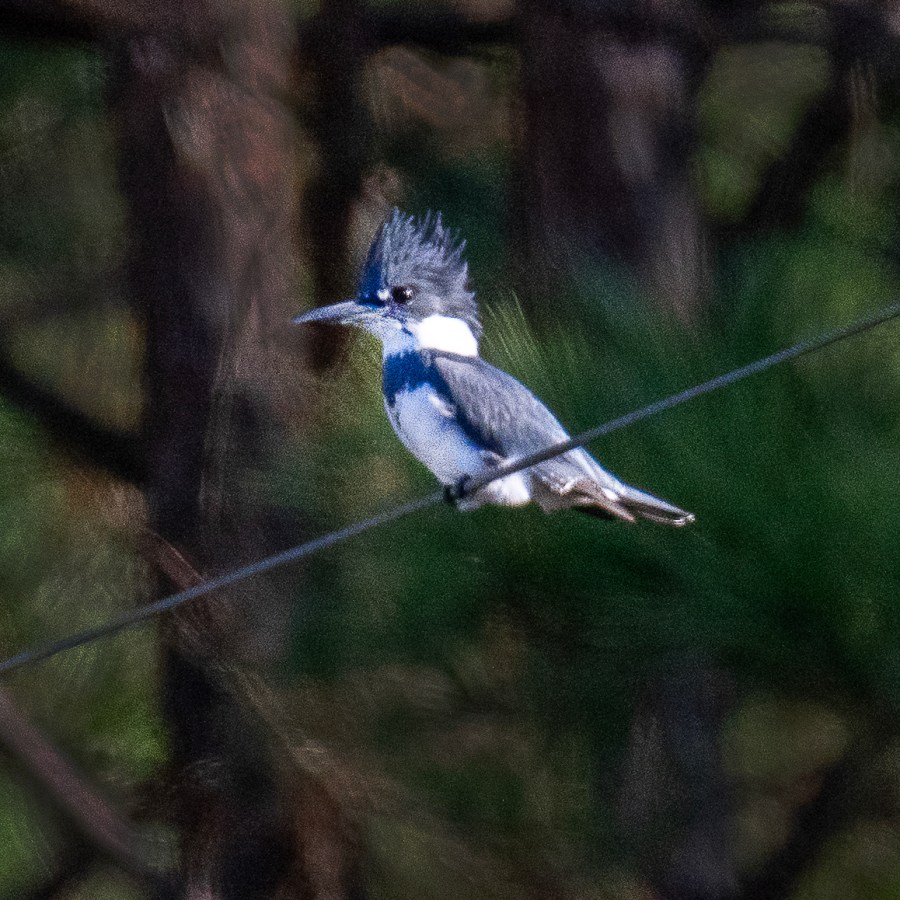
Belted Kingfisher (Megaceryle alcyon)

Saturday, December 20, was the Audubon Christmas Bird Count at D’Arbonne NWR. My counting partner and the expert of our team was Certified Naturalist Roselie Overby, who astounds me with her ability to identify birds by their call.

She was already standing in the parking lot listening and jotting down bird names when I pulled in a few minutes late. Day was still dawning and it was cold. By early afternoon after a short lunch break, we were shedding the layers we had needed that morning.
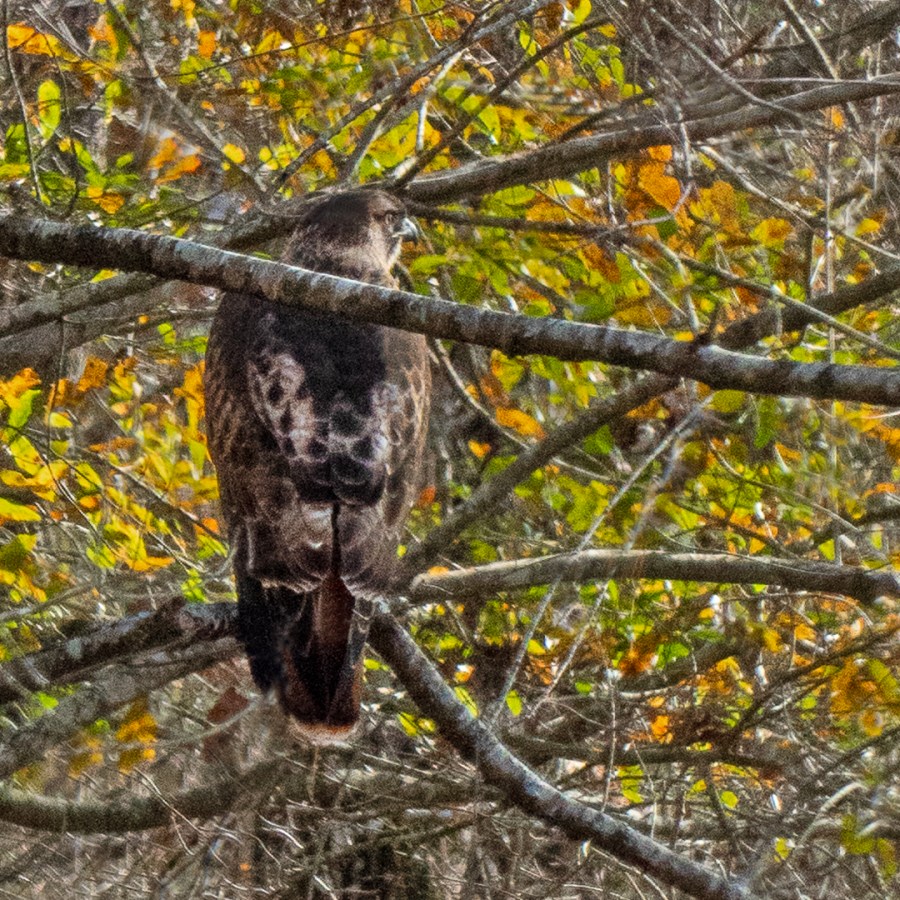
Red-tailed Hawk (Buteo jamaicensis)

The Red-tailed Hawk (Buteo jamaicensis) was a second highlight of the day. We spotted it in a small wooded area between houses and it did not immediately fly away when we pulled to the side of the road. It seemed to be interested in something on the ground we could not see. But it sure knew how to make life hard for the photographer! Finally, it turned its head just right for one decent click.
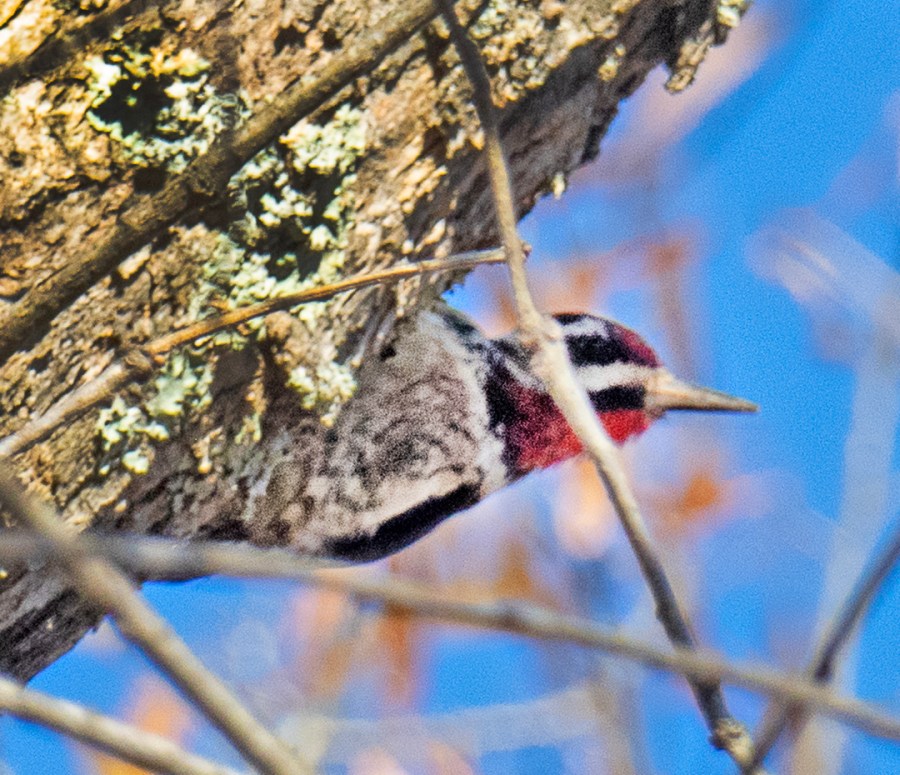
Yellow-bellied Sapsucker (Sphyrapicus varius)

Likewise, the Yellow-bellied Sapsucker (Sphyrapicus varius) knew just exactly how to foil the photographer by staying behind a branch. But it too turned its head just right for a split second!

Overall, it was a glorious day to be out birding, but results were mixed. Roselie and I counted 35 species. Not bad, but not particularly good either. We’ve had as many as 40 previous years.

More noticeably, the numbers of individual birds were down. For example, we saw exactly 3 Dark-eye Juncos (Junco hyemalis), a typically plentiful bird. Roselie counted a few White-throated Sparrows (Zonotrichia albicollis) she heard but did not see, but we neither saw nor heard any of the several other species we expected to see.

At the end of the day, we joined another 5 or 6 teams of counters at Heartwood Natural Area to “call the count.” The tentative total number of species was 91, and that’s a pretty good number. The bird of the day was a Broad-winged Hawk (Buteo platypterus), a new species for this count. Yay!

In spite of the good number of species, all of the teams reported numbers of individual birds to be down. One count does not a trend make, of course. But it certainly is in keeping with national and global trends, and cause for concern. Most humans profess to love birds. We must match our love with decisive conservation action.
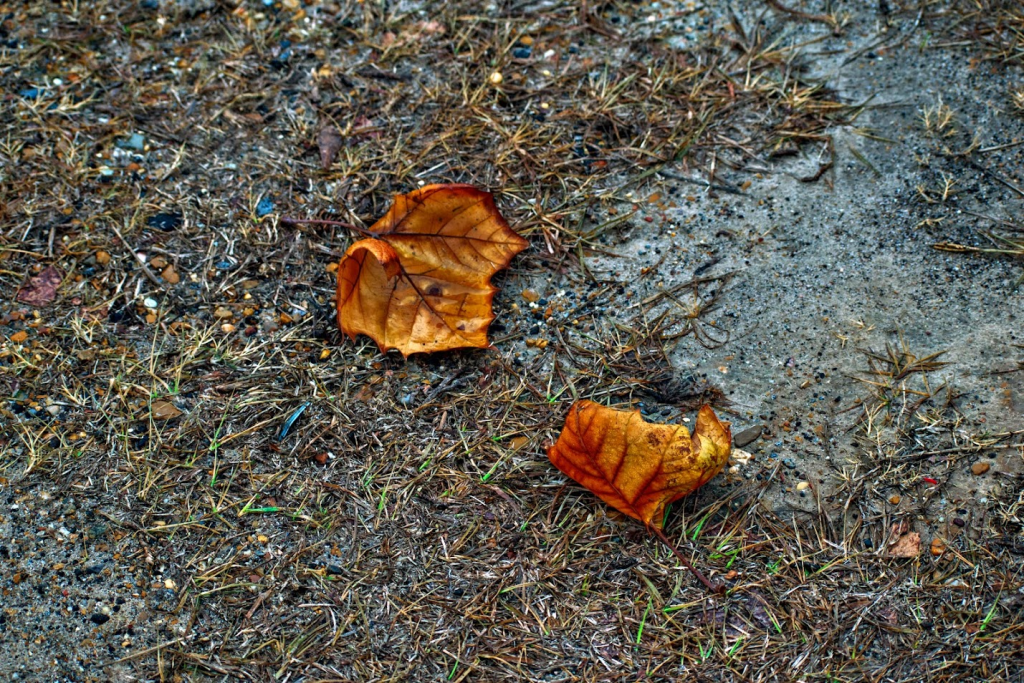
Rhythms of Nature


Photo by David Hoover

🌿 Discover the Rhythms of Nature: A Day of Phenology

Saturday, October 18 | 9:00 a.m. – 3:00 p.m.
📍 West Monroe Branch Library & Trails at Black Bayou Lake

Have you ever noticed how the first blooms of spring or the turning of autumn leaves seem to follow a rhythm? That’s phenology—the study of nature’s cycles—and we’re inviting you to spend a day exploring it with us!

📚 Morning Session: Learning Together

9:00 a.m. | West Monroe Branch Library
315 Cypress Street, West Monroe, LA 71291

We’ll kick off the day at the library with an introduction to phenology, led by Dr. Joydeep Bhattacharjee, Professor of Biology. You’ll also get hands-on guidance with the Nature’s Notebook app, a powerful tool for recording seasonal changes in plants and wildlife.

🚗 Midday: Caravan & Lunch

11:30 a.m.
We’ll travel together to our field site at Black Bayou Lake. Pack your own lunch and enjoy it on the way or once we arrive.

🌳 Afternoon: Field Work & Observations

12:30 p.m. | Black Bayou Lake National Wildlife Refuge

Now it’s time to put our learning into practice! We’ll head outdoors for guided fieldwork and observations, exploring the seasonal patterns of the plants and animals around us.

🕒 Wrap-Up

3:00 p.m.
We’ll conclude our day of discovery and reflection.


🌞 A Few Notes Before You Come

  • Facilities: Please note that the Black Bayou Lake National Wildlife Refuge visitor center and conservation learning center are currently closed due to the government shutdown. Plan ahead for restroom and water needs.
  • Weather: The forecast looks great—mostly sunny with a high near 88°F and no rain expected.
  • What to Bring: Your own lunch, plenty of water, and anything else you’ll need to stay comfortable outdoors. Cameras encouraged!

📩 Questions?

Reach out to David Hoover at:
📧 dhoover7969@sbcglobal.net
📞 318-605-2548


This is a wonderful opportunity to connect with nature, learn from an expert, and contribute to citizen science. We hope you’ll join us for a day of curiosity, community, and discovery! 🌎✨


Birds, Birds, Birds

What a great day! Dr. Terri Maness walked us through 23 orders of birds that occur in Ouachita Parish, Louisiana, then some ways of identifying birds.

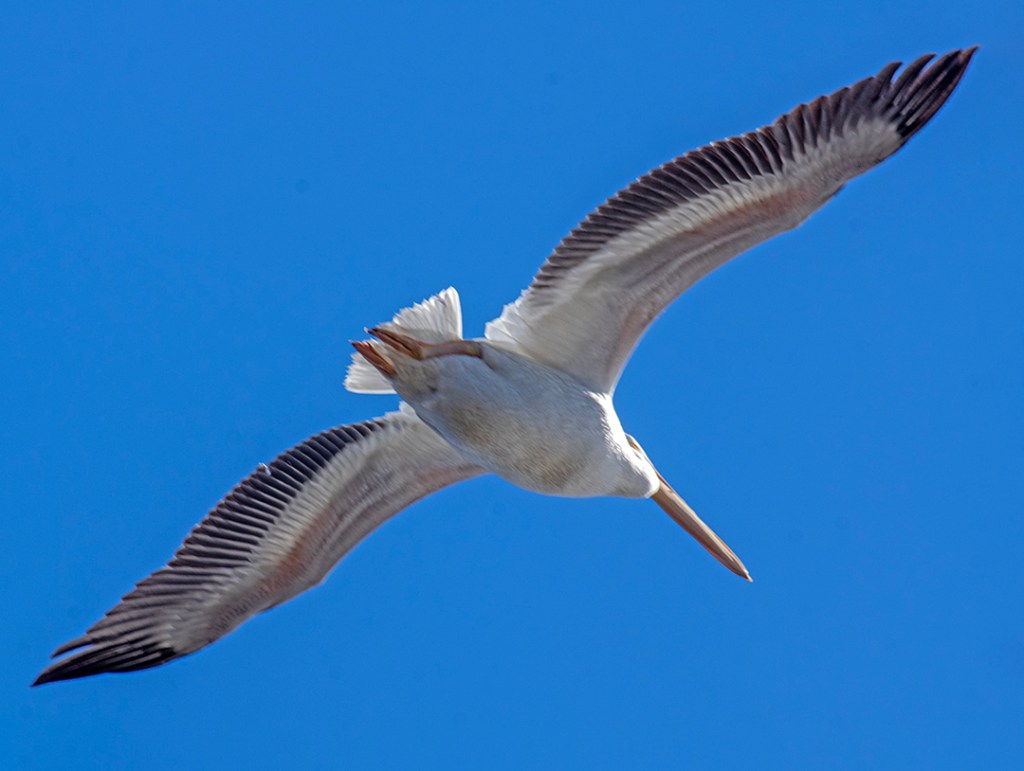
While my group was standing on the boardwalk out on the lake, a flock of maybe 20 American White Pelicans (Pelecanus erythrorhynchos) glided onto the water. This was my biggest surprise. I have seen White Pelicans before but never at BBLNWR.

She also showed us 3millionbirds.org’s video about the huge decline of birds since the 1970s, which identifies several sad and shocking truths about why it’s happening, from loss of habitat to cats, both pets and feral, that roam freely outside.

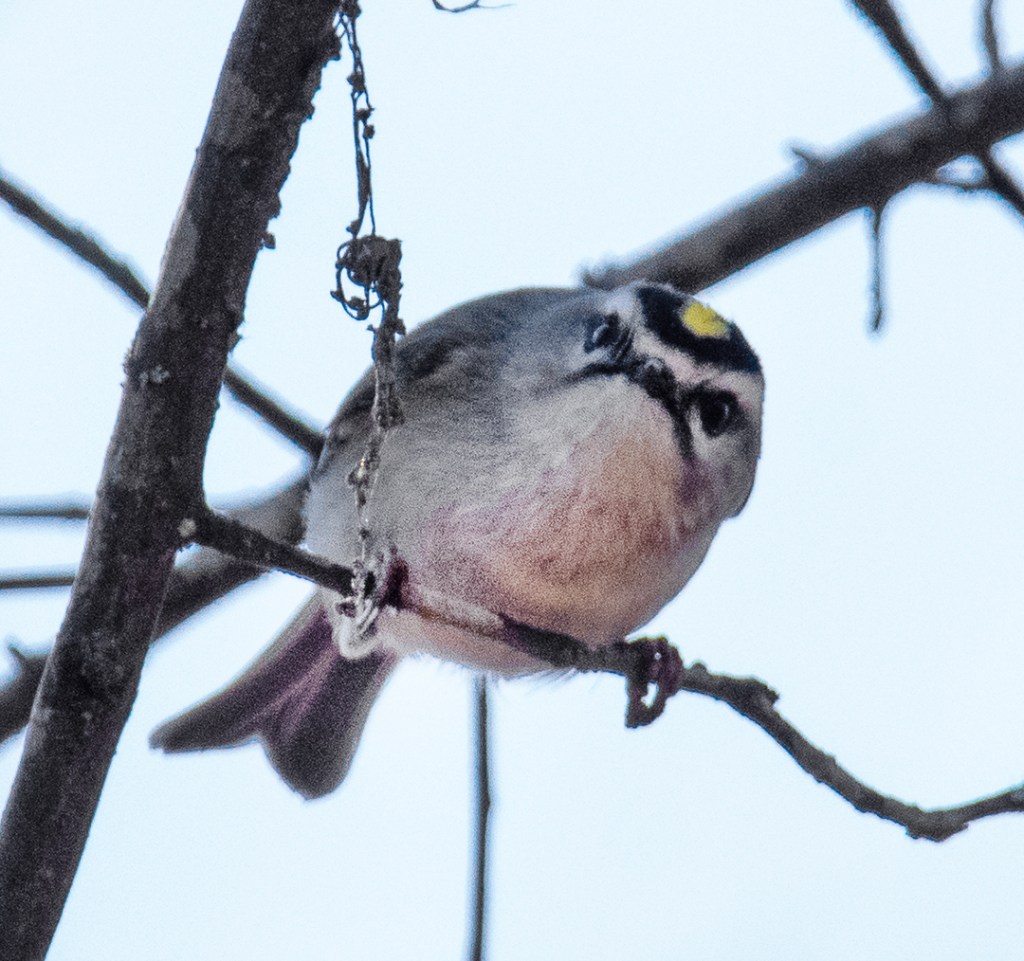
This little Golden-crowned Kinglet (Regulus satrapa) appears to be scowling at me. I think it is just the bandit mask it wears that makes it look that way!

Then we added some layers against a somewhat cold but sunny day and went out to count birds. Terri gave us a scoring system: 5 points for an order, 2 points for a family and one point for a species. Two teams then walked off in opposite directions from the Conservation Learning Center at Black Bayou Lake NWR.

At the end of the afternoon, one team had accumulated more points than the other, but… it was a totally friendly competition and it really didn’t matter. We all learned and had a great time!

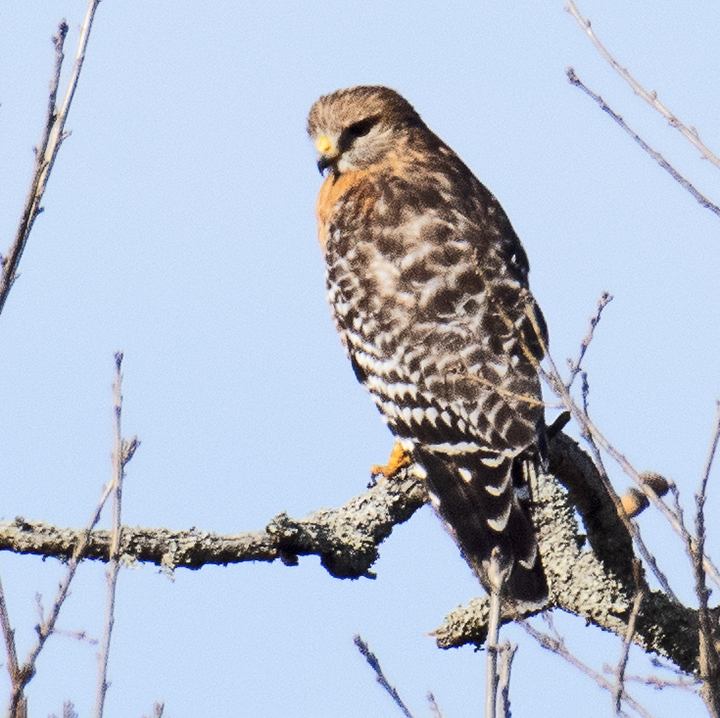
While we were standing in front of the Conservation Learning Center tallying our scores, this Red-shouldered Hawk (Buteo lineatus) soared in and perched at the top of a tree nearby. My group had heard a Red-tailed during the count, but this was the first look we got.