
That was the general sentiment at Lazarre Park in West Monroe this Saturday morning. We had just watched the last of a clutch of about 2 dozen Smooth Softshell Turtles (Apalone mutica) scurry down the beach and bury themselves in the sand of the Ouachita River bed.
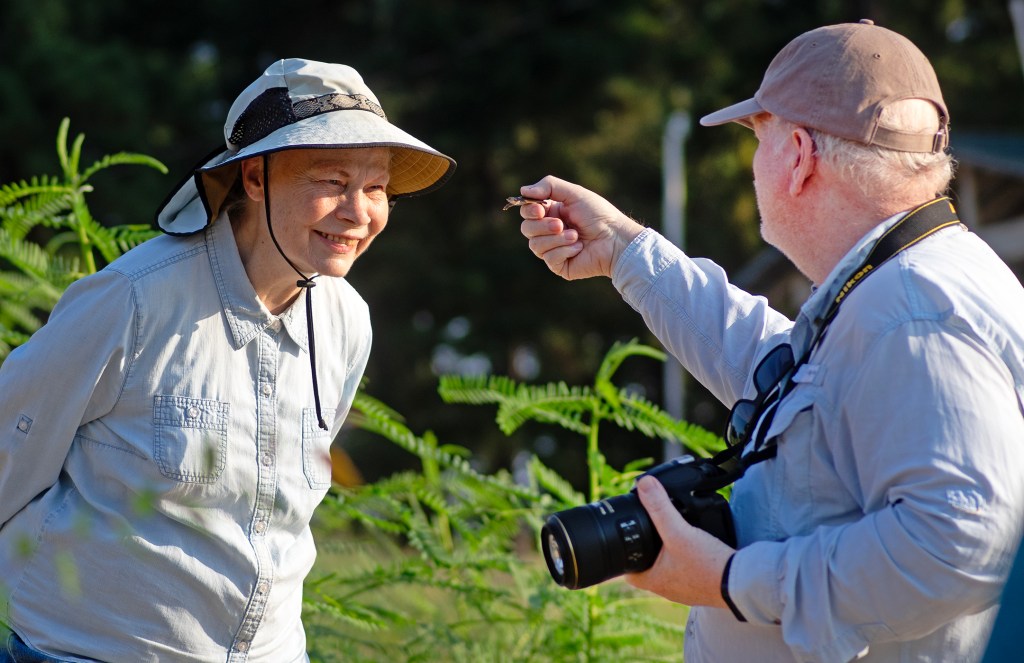
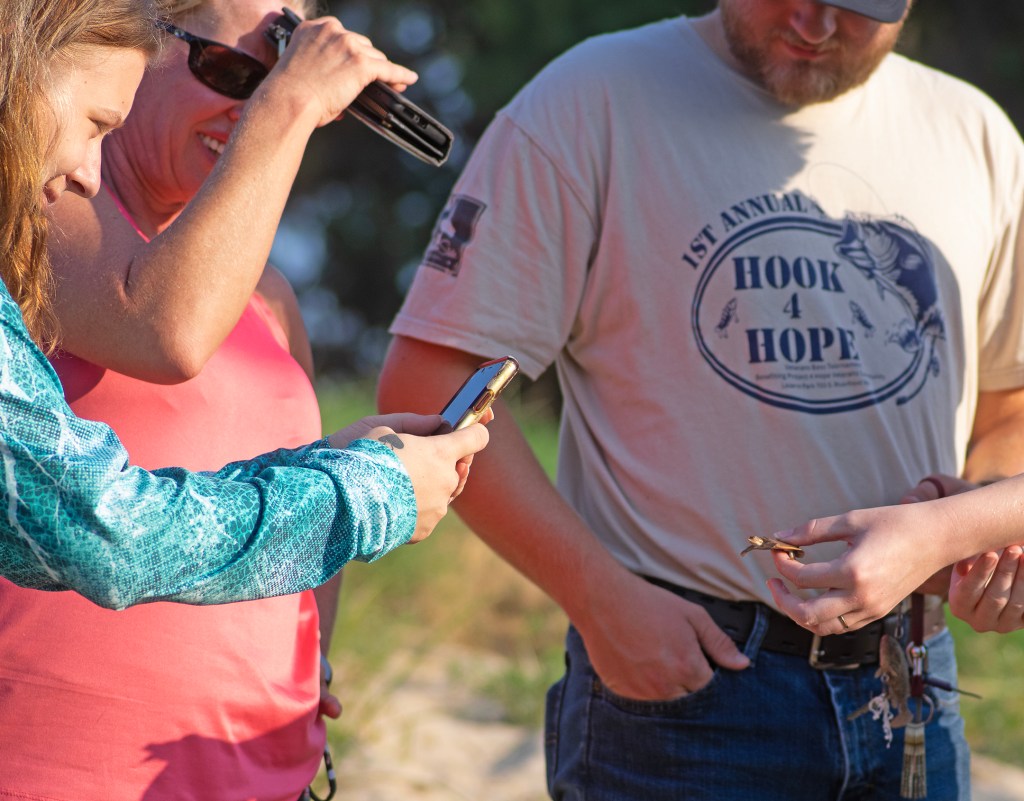
Dr. John Carr, professor emeritus of biology at the University of Louisiana Monroe, made a career of studying, writing and teaching about turtles and turtle conservation. He and his graduate students have a permit from Louisiana Department of Wildlife & Fisheries to gather turtle eggs from the river bank, incubate them in his lab, and release the hatchlings back into the river, thereby saving the eggs from predation by raccoons and giving the turtles a chance to thrive.
The proper way to release a turtle hatchling is to place it on the sand 12–18 inches from the water. Most of the babies make a beeline for the water, swim in a few inches, take a gulp of air at the surface with their snorkel like snout, then dive to the bottom. With just a couple of shimmies, they bury themselves in the sand. It is their best defense against big fish and other predators that would love a turtle snack.
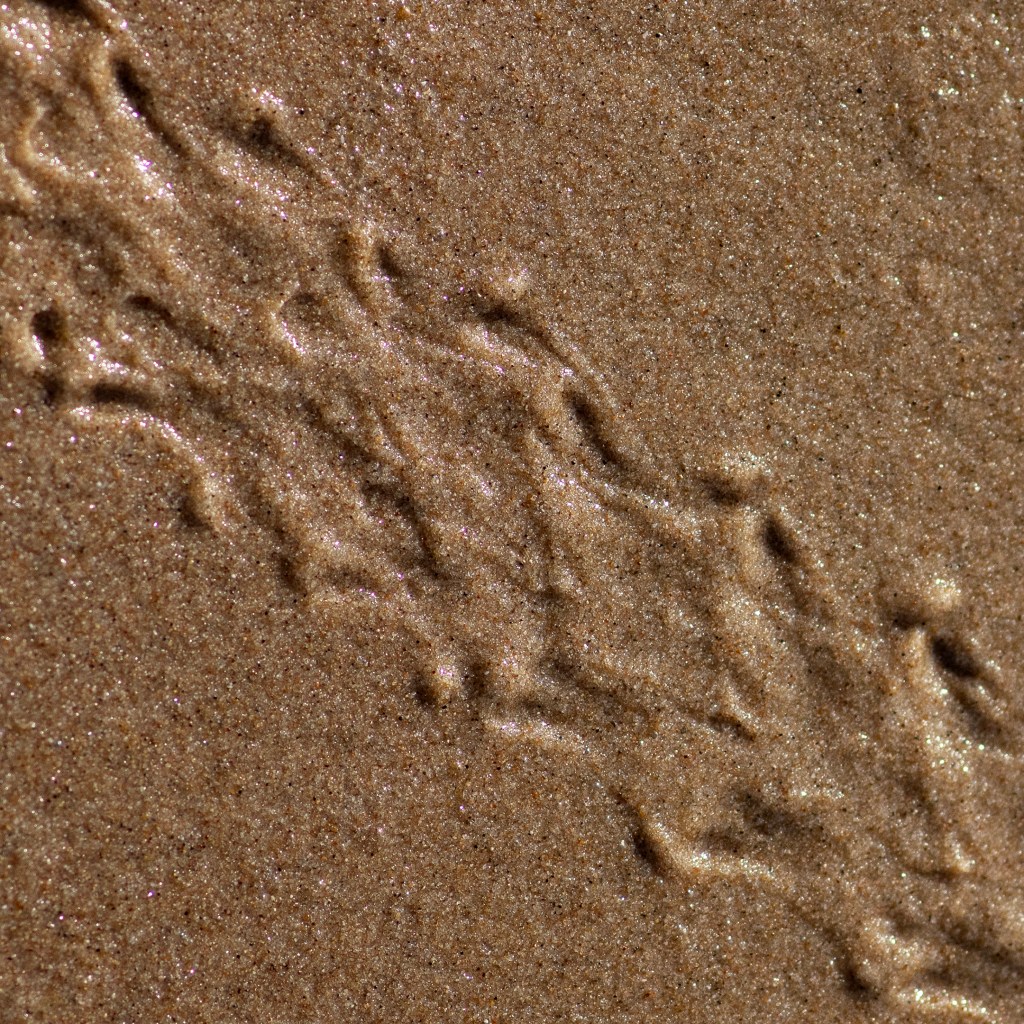
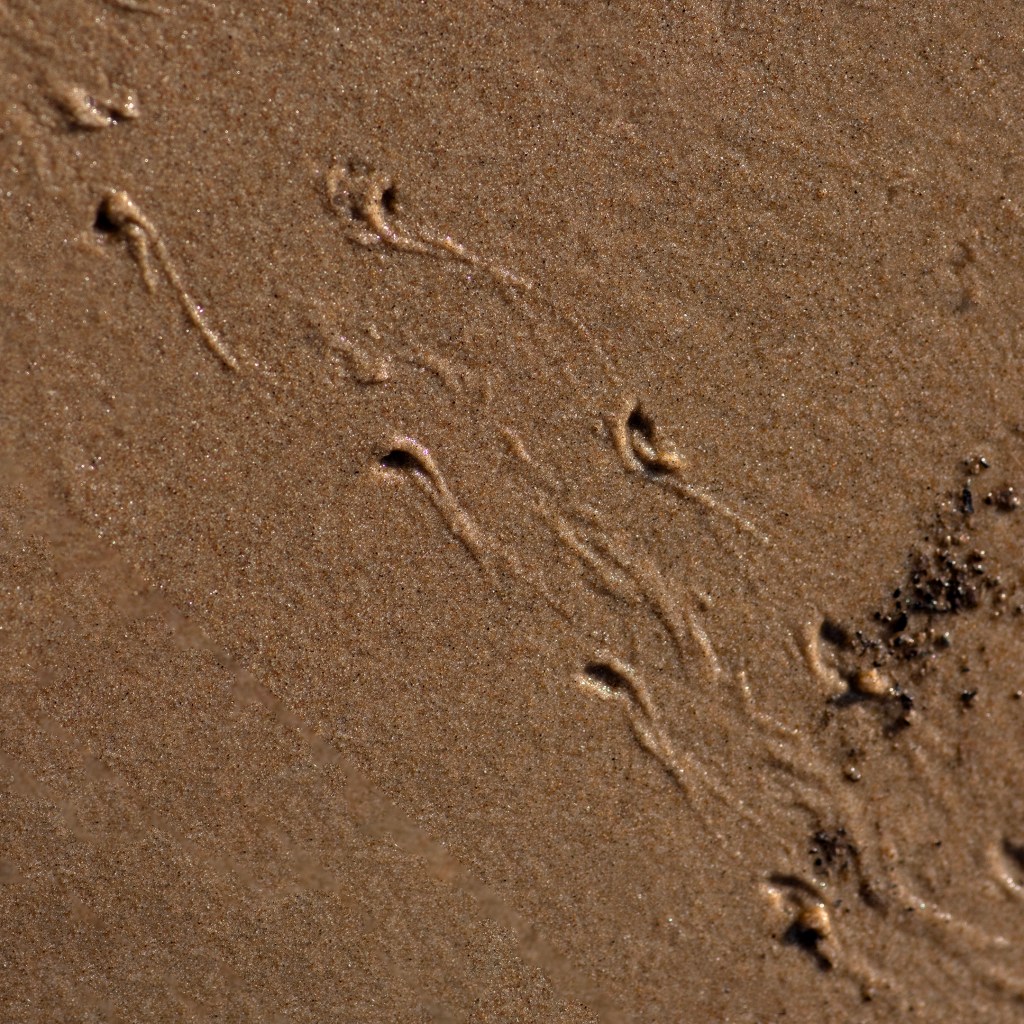
Here’s what’s fascinating. Carr and his students put the hatchlings in shallow water back in the lab so they can practice holding their breath, swimming and diving. But… they never experience sand until they are released on the beach. How, then, do they know all about burying themselves in it? Such are the wonders of nature!
Then there was “Pokey.” Pokey moved to his/her own drumbeat. Whereas most of the hatchlings were in the water and buried in the sand in less than a minute after release, not Pokey. According to the meta-data on my camera, from the moment Pokey was placed on the sand to the moment he/she dove toward the bottom was 8 minutes, 51 seconds!

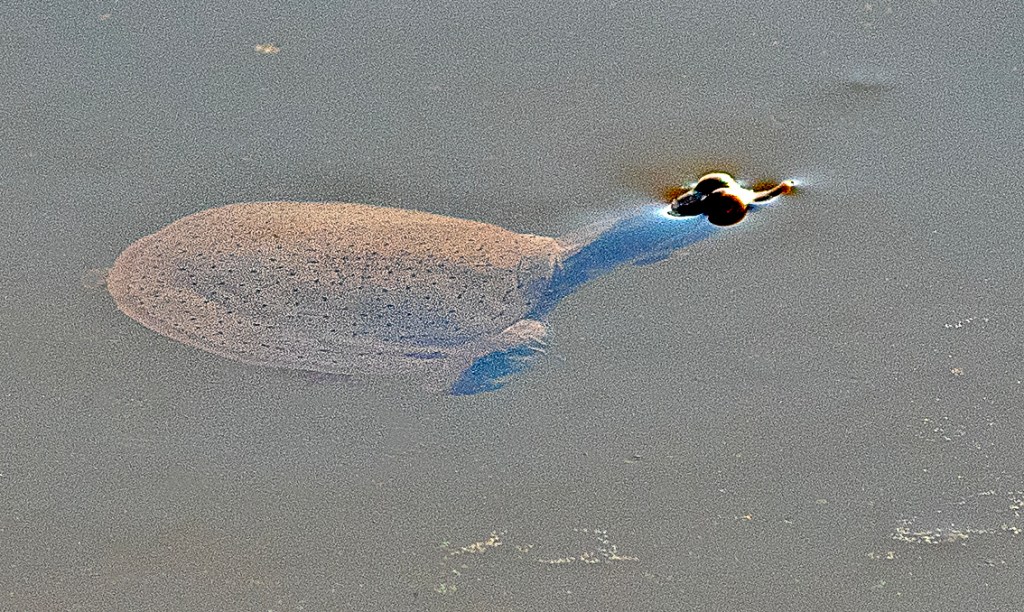
Yes, standing in the water near the bank of the Ouachita River cheering baby turtles charging down the bank and into their natural habitat is a great way to start the day.
BTW, although spiny softshell turtles (Apalone spinifera) are plentiful in Bayou DeSiard and most anywhere, smooth softshells occur naturally in our area only in the Ouachita River.
Special note: Just a few months ago, Southern Naturalist released a special issue titled “Biology and Conservation of Alligator Snapping Turtles (Machrochelys).” It was co-edited by John L. Carr (ULM), Ethan J. Kessler (University of Illinois), and Gerald R. Johnston (Santa Fe College). It is the single largest source of information on this uniquely southeastern USA group of turtles, which are the largest in North America and currently under consideration for listing as “Threatened” under the Endangered Species Act.

 Louisiana Master Naturalists - Northeast
What a great introduction to turtle conservation for the landlocked. I had no idea that scientists were releasing turtles in freshwater.
LikeLiked by 1 person
Janell, I know. Sea turtles have gotten all the attention! But John Carr has been doing this for a long time and Master Naturalists finally came along to draw some attention to it!
LikeLike